The trail crosses a living landscape., Hot Well Arizona Dune Guide

Sonoran and Chihuahuan desert life

The trail crosses a living landscape.

These are low, sparsely vegetated dunes in a transition zone between desert systems, with a permanent water source in the middle of it. That combination concentrates wildlife in a way dry desert does not.

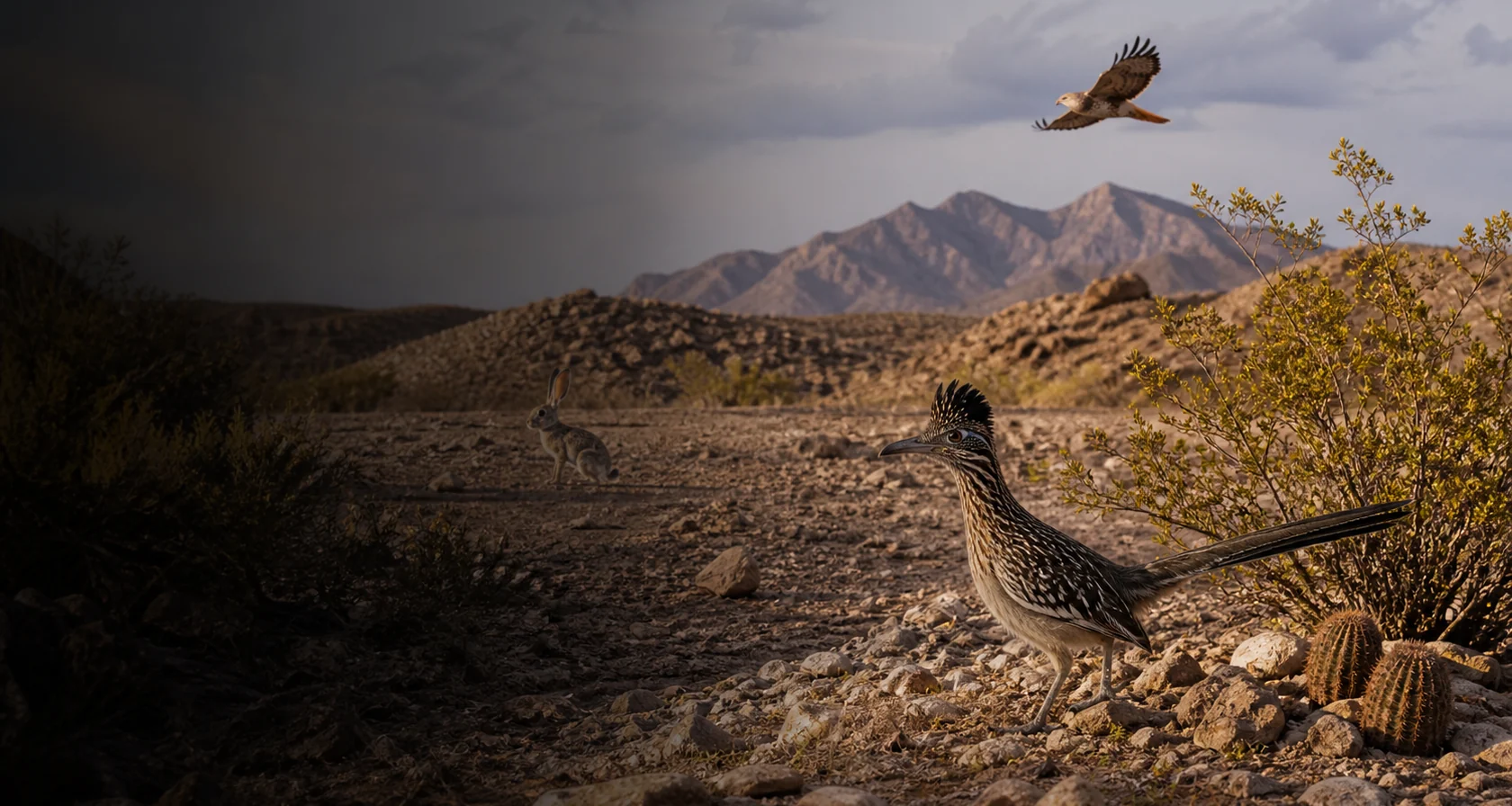
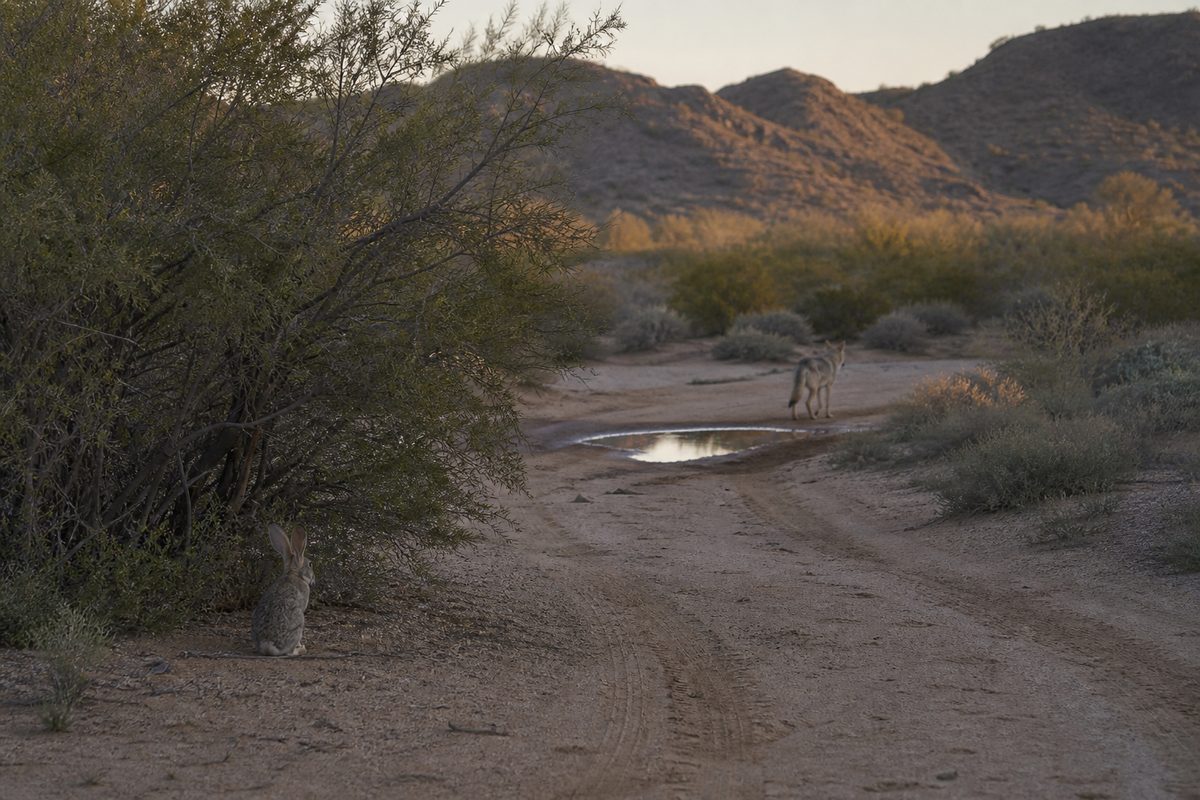
Desert birds and small mammals gathered at the wildlife pond fed by the Hot Well artesian flow
Illustration of wildlife at the pond. Not a documentary photograph.

The water changes everything

A well that has flowed continuously since 1928 is a reliable water source in a landscape with very few. That draws birds and mammals from a wide area, particularly at dawn and dusk. It is the most interesting thing about this place ecologically and it exists entirely by accident.
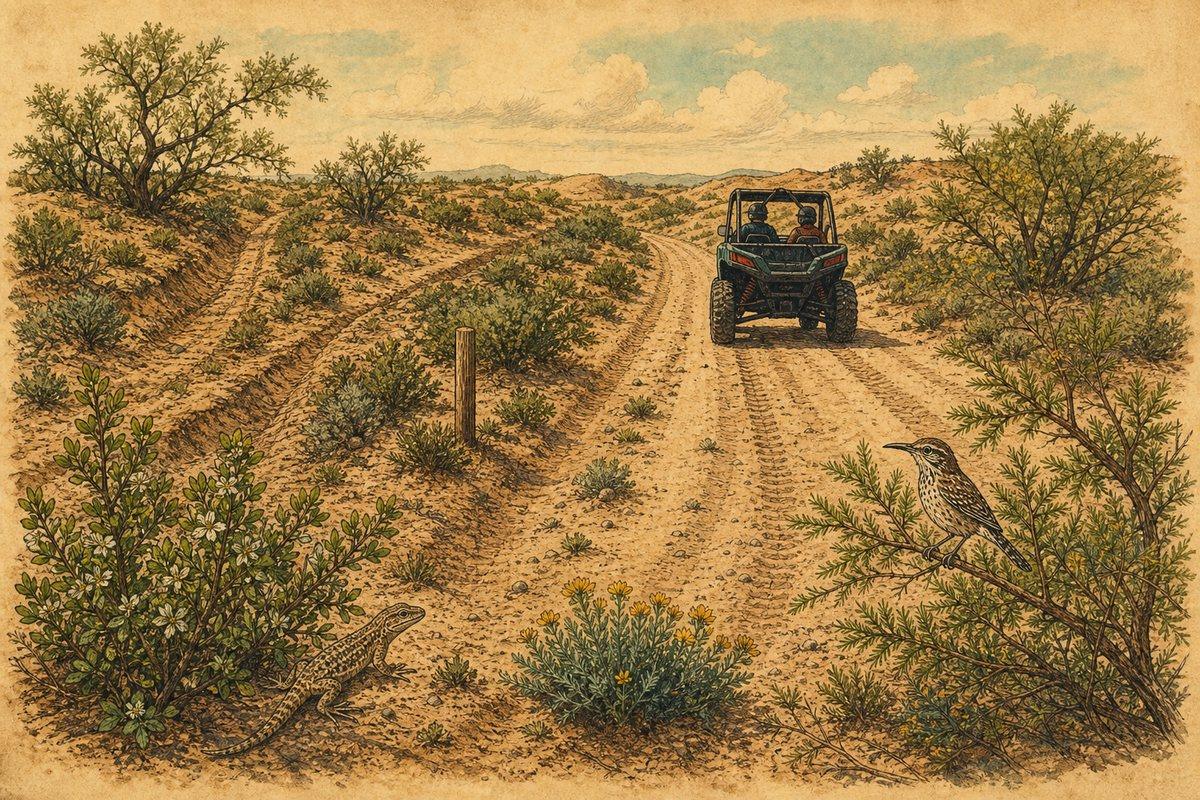
A side-by-side stays on the established two-track while creosote, mesquite, a lizard and a desert bird occupy the surrounding habitat
Illustration of sparse desert vegetation as living habitat rather than open riding ground.

Vegetation is not empty space

Creosote, mesquite, and the other plants between the dunes look sparse and expendable from a moving machine. They are neither. Desert plants grow slowly and a single track through them can still be visible years later. Staying on open routes is the whole ask.

Give animals the route

Slow down, stop at a distance, and let wildlife move away on its own terms. Never pursue anything with a machine. In heat, an animal forced to run is spending water and energy it cannot easily replace, and that cost is real even when nothing visible happens.

Snakes and scorpions use your shade

Check under and inside anything left on the ground overnight, look before putting hands into shade or under rocks, and shake out boots. This is ordinary desert practice rather than cause for alarm, and it matters most in the warm evenings when everyone is relaxed.

Night is a different landscape

Most desert wildlife is active after dark, which is also when riders have the worst depth perception and the coolest temperatures tempting them out. Lower speed after sunset and expect animals on the trail.

Do not feed anything

An animal that learns to associate campsites with food becomes a problem for every visitor after you, and usually ends badly for the animal. Store food properly and leave nothing out, including for the birds that will absolutely turn up.

Access follows behaviour

This is a 2,200-acre BLM Recreation Area carrying over twenty thousand visitors a year, with roughly 2,000 acres of sandy terrain open to riding inside the fence and facilities paid for by rider registration money. It stays open and funded because the case for it holds up. Riding inside the open routes is how that case gets made.

Verify before travel. Conditions, zones, and regulations can change. Use the responsible agency's current information for final decisions.

Open the official BLM source →
Part of theDUNE GUIDE USA NETWORKIndependent dune guides. One place to start.